
Disclaimer: I am not a medical professional, and the information provided in this blog post is based on my personal experience and research with food sensitivity and food allergies. This content is for informational purposes only and should not replace professional medical advice. Always consult a qualified healthcare provider for proper diagnosis, treatment, and guidance regarding food sensitivities, intolerances, or allergies.
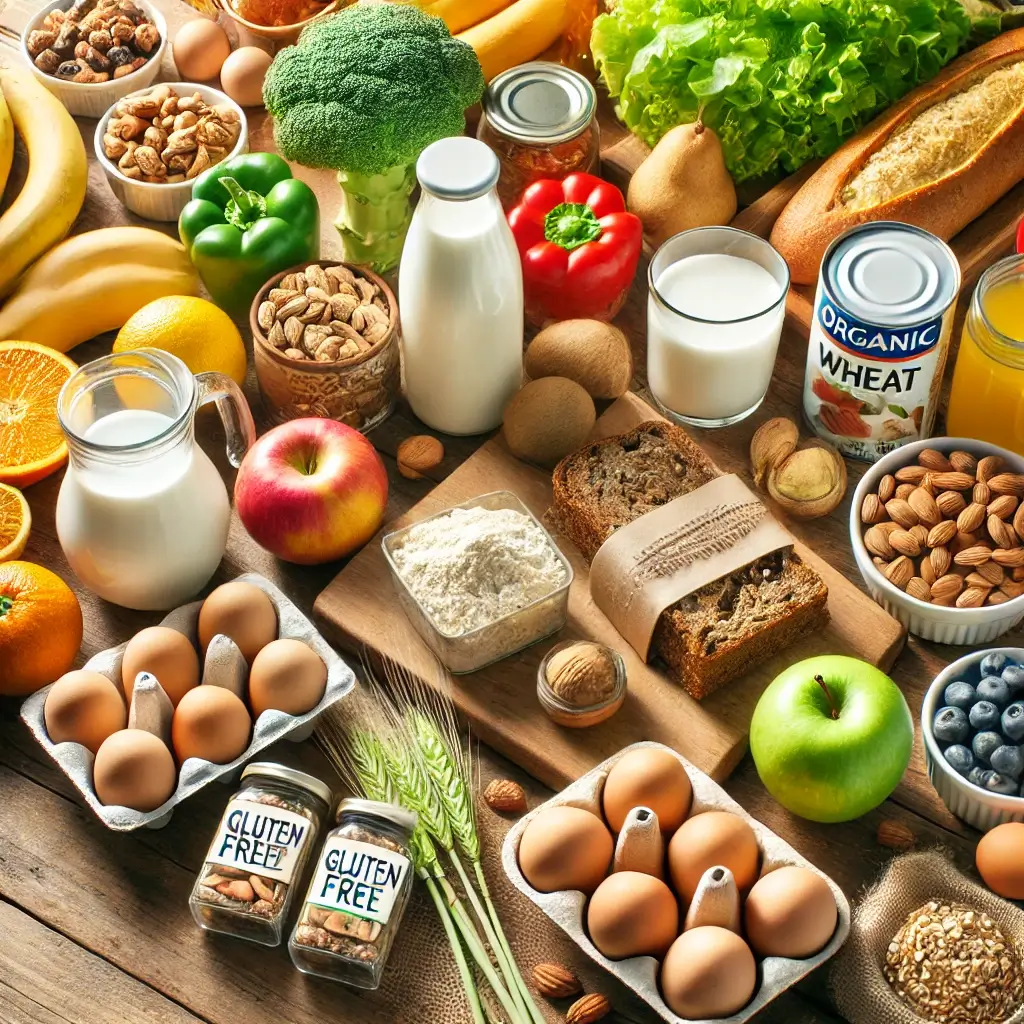
When it comes to adverse reactions to food, it’s essential to distinguish between food sensitivity, food intolerance, and food allergy. While all three involve the body reacting negatively to certain foods, the mechanisms and symptoms vary significantly. In this blog post, we’ll explore the key differences between these conditions and highlight common symptoms associated with each.
Food Sensitivity:
Food sensitivity, also known as non-allergic food hypersensitivity, occurs when the digestive system struggles to process certain foods. Unlike food allergies, which involve an immune response, food sensitivity symptoms typically arise within the digestive tract. They can develop gradually and may not appear until hours after consumption.
Common symptoms of food sensitivity include:
- Digestive Issues: Bloating, gas, diarrhea, or constipation are typical signs of food sensitivity. For example, people sensitive to lactose may experience stomach cramps and diarrhea hours after consuming dairy products like milk or cheese.
- Migraines or Headaches: Certain foods, such as chocolate, cheese, or processed meats, are known triggers for headaches or migraines in individuals with sensitivities. The headache may develop hours later, making it harder to pinpoint the exact trigger.
- Fatigue: Feeling sluggish or tired after eating certain foods may indicate a sensitivity. For instance, people who are sensitive to gluten often report feeling exhausted after consuming wheat-based products like bread or pasta.
- Joint Pain: Some individuals with food sensitivities, particularly to inflammatory foods like gluten or nightshades (tomatoes, peppers), report experiencing joint pain, swelling, or stiffness, as if they were dealing with arthritis.
Food Allergy:
Food allergies, on the other hand, involve the immune system’s response to proteins in specific foods. This reaction occurs quickly after consumption, and the body perceives the protein as harmful, triggering the release of histamines. The severity of an allergic reaction can range from mild to life-threatening.
Common symptoms of food allergies include:
- Skin Reactions: Hives, eczema flare-ups, or facial swelling are common skin responses to allergic reactions. For example, someone with a peanut allergy may develop itchy red bumps on their skin minutes after ingestion.
- Respiratory Issues: Wheezing, coughing, nasal congestion, or difficulty breathing can accompany food allergies. These symptoms are particularly dangerous if they signal the onset of anaphylaxis. An individual allergic to shellfish may develop breathing difficulties after just a small bite.
- Gastrointestinal Symptoms: Nausea, vomiting, stomach cramps, and diarrhea can indicate an allergic response to food. This can happen quickly after eating something like eggs, even if just a trace amount is ingested.
- Anaphylaxis: In extreme cases, a food allergy can result in anaphylaxis, a life-threatening emergency requiring immediate intervention. Signs include swelling of the throat, difficulty breathing, a drop in blood pressure, and loss of consciousness. Common triggers include nuts, shellfish, and dairy.
Food Intolerance:
Food intolerance is closely related to food sensitivity but usually refers to a specific difficulty in digesting certain substances due to enzyme deficiencies. A common example is lactose intolerance, where the body lacks the enzyme lactase needed to digest lactose, the sugar found in milk.
Common symptoms of food intolerance include:
- Stomach Pain or Cramps: Many people with lactose intolerance experience bloating, gas, or stomach cramps soon after consuming dairy. For instance, a glass of milk may lead to sharp stomach pains within 30 minutes.
- Gas and Bloating: Certain food intolerances, such as those involving fermentable carbohydrates (FODMAPs), can cause uncomfortable gas and bloating. People with fructose malabsorption may experience bloating after eating fruit like apples or pears.
- Diarrhea: Diarrhea is a common symptom of lactose intolerance or gluten intolerance. A person who is lactose intolerant may need to rush to the bathroom after drinking a milkshake or eating ice cream.
Unlike food allergies, food intolerances are generally less severe and don’t involve the immune system, but they can significantly affect quality of life.
Key Differences Between Food Sensitivities and Food Allergies
- Immune System Involvement:
- Food sensitivities and intolerances involve the digestive system and enzyme deficiencies, while food allergies trigger an immune response.
- Onset and Severity:
- Sensitivity and intolerance symptoms often develop more slowly and are usually less severe than allergic reactions. Food allergies can cause immediate and potentially life-threatening symptoms, such as anaphylaxis, within minutes of exposure.
Food Sensitivity and Intolerance: A Personal Journey
Food intolerances have become more common in recent years, and they can significantly impact daily life. My son and I both experience food intolerances to dairy, wheat/gluten, nuts, and eggs—foods that are frequently found in everyday meals. These intolerances can lead to digestive discomfort, fatigue, and even skin reactions when we consume these triggers.
Interestingly, I used to be allergic to corn, tomatoes, and mustard, but over time, those allergies changed. It’s important to note that food allergies can evolve every 4-7 years, which is why getting tested regularly is crucial for managing your health.
Through years of managing these sensitivities, I’ve developed a theory: it’s not always the food itself, but how it’s processed. In our case, switching to less processed, organic options has made a noticeable difference in our health and overall well-being. For instance, organic, gluten-free grains and dairy alternatives are now staples in our kitchen, and we’ve noticed fewer reactions. This shift has allowed us to enjoy a wider variety of foods without the unpleasant side effects, reminding us that mindful food choices can have a profound impact on our quality of life.
Understanding food sensitivities, intolerances, and allergies is vital for managing your diet and health. As my own experience shows, these conditions can change over time, and finding the right balance—whether through organic, less processed options or regular testing—can make all the difference in your well-being. Recognizing the distinction between food sensitivity, intolerance, and allergy is crucial for effective health management. If you suspect you have one of these conditions, consulting with a healthcare professional for proper diagnosis is essential. Whether it’s managing a sensitivity or taking life-saving precautions for a food allergy, being informed empowers you to make healthier choices and maintain optimal well-being.



Leave a Reply