



In today’s fast-paced world, the cracks in the educational system are becoming increasingly evident. Originally designed to prepare students for future careers, the current system is falling short in equipping learners with essential skills needed to thrive in the 21st century. For instance, outdated teaching methods, excessive reliance on standardized testing, and the lack of life skills education are just a few of the critical issues that demand immediate education reform.
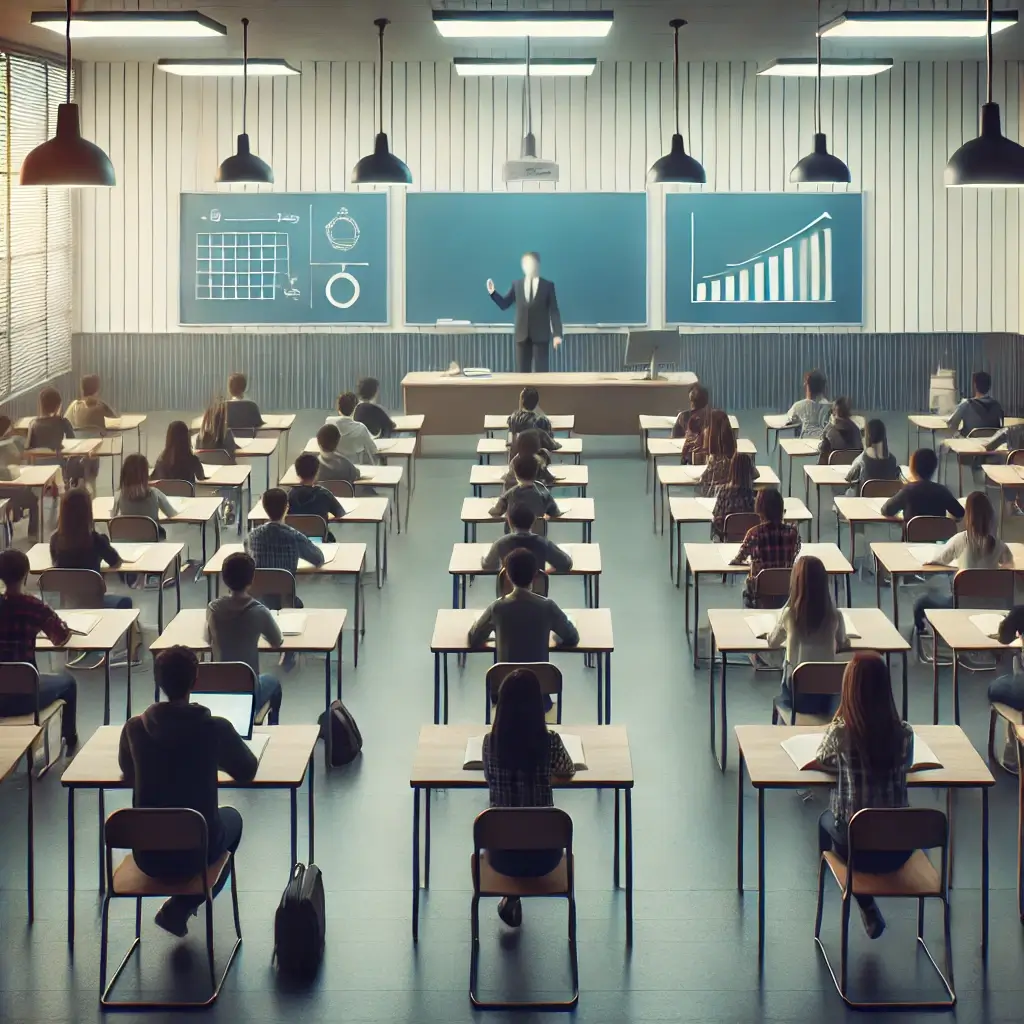
The Downside of Standardized Testing: Stifling Creativity and Critical Thinking
The education system’s overemphasis on standardized testing has created a culture where memorization trumps meaningful learning. Rather than fostering creativity and problem-solving, students are often taught to regurgitate information to pass exams. This method not only discourages innovation but also leaves students struggling to apply knowledge in real-world scenarios. Alternative assessment methods that prioritize problem-solving, collaboration, and critical thinking could pave the way for a more dynamic learning environment and serve as a crucial aspect of the ongoing education reform.
Outdated Curricula: Bridging the Skills Gap in a Digital World
As technology reshapes the job market, many schools continue to teach outdated curricula that fail to prepare students for modern careers. Critical subjects like coding, digital literacy, and financial literacy are often overlooked, leaving graduates ill-equipped to navigate the digital economy. Therefore, updating school curricula to include these essential skills will better align education with workforce demands, ensuring students are ready to excel in the future job market. This curriculum overhaul is an essential part of the larger education reform necessary for tomorrow’s students.
Reinventing Practical Education: The Return of Life Skills
Practical life skills, once a staple in education, have largely disappeared from modern classrooms. Consequently, courses like home economics, woodshop, and auto shop provided students with valuable knowledge in cooking, sewing, and basic repairs. Reintroducing these programs—along with lessons in financial literacy, budgeting, and household management—will empower students to become more self-sufficient and better prepared for adulthood. The revival of life skills courses is a key element of education reform. It will help foster well-rounded individuals.
Personalized Learning: Catering to Individual Strengths
The one-size-fits-all approach to education fails to recognize the unique learning styles of individual students. Personalized learning models, supported by adaptive technology, can tailor instruction to each student’s strengths and weaknesses. This method encourages students to excel in their areas of interest while providing additional support in challenging subjects. Investing in personalized learning resources can help create a more inclusive and effective educational system, which is at the core of the education reform movement.
Critical Thinking and Emotional Intelligence: Nurturing the Whole Student
A truly effective education system must prioritize critical thinking and social-emotional learning (SEL). Developing skills like empathy, communication, and emotional intelligence prepares students not only for academic success but also for life’s challenges. Research shows that students participating in SEL programs are more likely to excel academically and maintain better mental health. Integrating SEL into daily instruction will foster well-rounded, emotionally intelligent individuals and should be considered a central piece of ongoing education reform efforts.
A Vision for the Future: Transforming Education
To build a future-ready education system, we must embrace comprehensive education reform:
- Shift from standardized testing to holistic assessments.
- Modernize curricula to include digital literacy, coding, and financial education.
- Reintroduce life skills courses like home economics and auto shop.
- Implement personalized learning models that cater to diverse learning styles.
- Prioritize critical thinking and emotional intelligence.
By adopting these changes, we can create an education system that empowers students to thrive in a rapidly evolving world. This system will foster lifelong learning, creativity, and independence.
4o mini
A Parent’s Hope for Change
As parents navigating today’s education system, we can only hope that the much-needed changes are on the horizon. We watch as our children struggle in a system that often prioritizes outdated methods over innovation and creativity. While we may not have the power to change the system ourselves, we can raise our voices and advocate for reform. We must trust that leaders will eventually listen to the calls for education reform and act decisively to make the system work for every child. Our hope is that future generations of students will benefit from an education system that truly prepares them for the challenges and opportunities of tomorrow’s world.



Leave a Reply